Probability Models from Poker Tournaments Guiding Blackjack Side Bet Choices in Digital Casino Environments with Incentive Structures
Written by Paul Lorenz · Jul 13, 2026
Probability Models from Poker Tournaments Guiding Blackjack Side Bet Choices in Digital Casino Environments with Incentive Structures
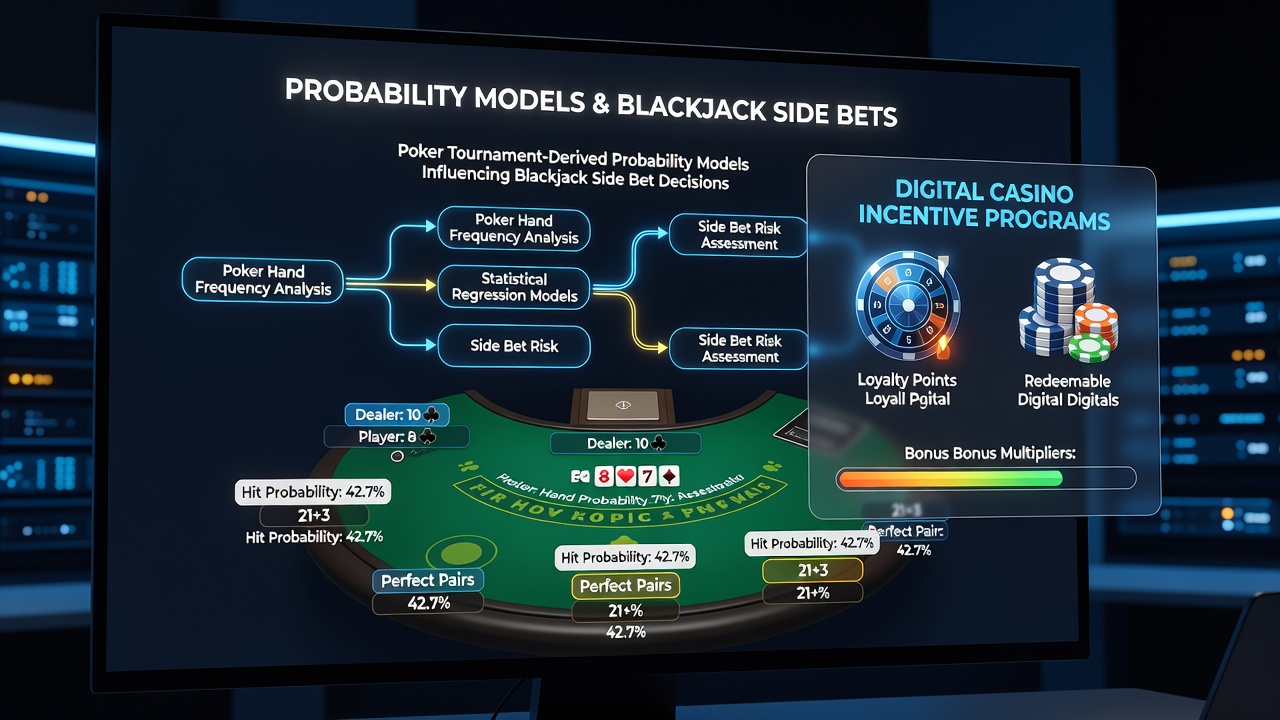
Probability models developed in poker tournaments provide structured approaches to expected value calculations and variance management that transfer directly into decisions about blackjack side bets on digital platforms equipped with reward programs, and observers note how players apply Independent Chip Model concepts alongside pot odds analysis when weighing options such as Perfect Pairs or 21+3 wagers amid bonus multipliers that alter payout structures over extended sessions.
Poker Tournament Foundations in Probability Assessment
Researchers have documented how poker tournament participants rely on survival metrics and chip utility curves to optimize fold or push decisions under increasing blind pressure, while these same frameworks adapt to blackjack environments where side bet triggers occur at fixed deck positions yet incentive layers introduce variable return multipliers that shift overall risk thresholds across multiple hands in succession.
Data from card gaming studies shows tournament-derived equity calculations help quantify the marginal benefit of placing a side bet when a digital casino offers loyalty points or cashback percentages, because the models account for both immediate probability outcomes and the long-term accumulation of rewards that compound through repeated play cycles.
Application to Blackjack Side Bets in Digital Settings
Digital platforms record side bet frequencies and payout distributions that allow integration with poker-derived simulation tools, and those who study these systems find that variance estimates from multi-table tournaments mirror the swing patterns seen when side bets activate during live dealer streams or automated shuffler sequences.
Evidence indicates players adapt ICM-style survival weighting to determine whether a side bet remains viable once an incentive threshold such as a deposit match or free spin bundle has been activated, since the added value changes the break-even point without altering the underlying card probabilities themselves.

Incentive Programs and Decision Adjustments
Casino operators structure incentive programs around play volume and specific game selections, yet probability models carried over from poker allow participants to forecast how bonus conditions modify the house edge exposure on side bets across different wagering tiers.
Figures from industry reports reveal that when reward multipliers apply to side bet wins but not to base game losses, the effective equity calculation resembles a satellite tournament pay jump, prompting adjusted bet sizing that accounts for both the immediate hand outcome and the future value of accumulated points or comps.
Integration of Models Across Platforms
Software tools used by analysts combine poker tournament solvers with blackjack combinatorial engines, producing outputs that display adjusted side bet recommendations once incentive parameters are entered, and this crossover enables consistent decision frameworks whether the environment features automated RNG tables or live streamed dealer interactions.
According to data compiled by the Nevada Gaming Control Board, side bet participation rates rise during periods when digital casinos run volume-based promotions, consistent with patterns observed when poker players leverage stack preservation models to navigate payout structures.
Academic examinations published in the Journal of Gambling Studies further confirm that cross-game probability transfer occurs most clearly in environments where incentive structures create non-linear return curves similar to those found in progressive tournament payouts.
Conclusion
Probability models originating in poker tournaments continue to shape side bet selections in digital blackjack settings because they supply quantitative methods for balancing immediate odds against layered incentive effects, and ongoing platform developments maintain these connections through shared data analytics and reward program designs that reward informed volume play.