Intersections of Ranking Hierarchies and Side Bet Structures in Modern Digital Gaming Ecosystems
Written by Leon Patterson · Aug 12, 2026
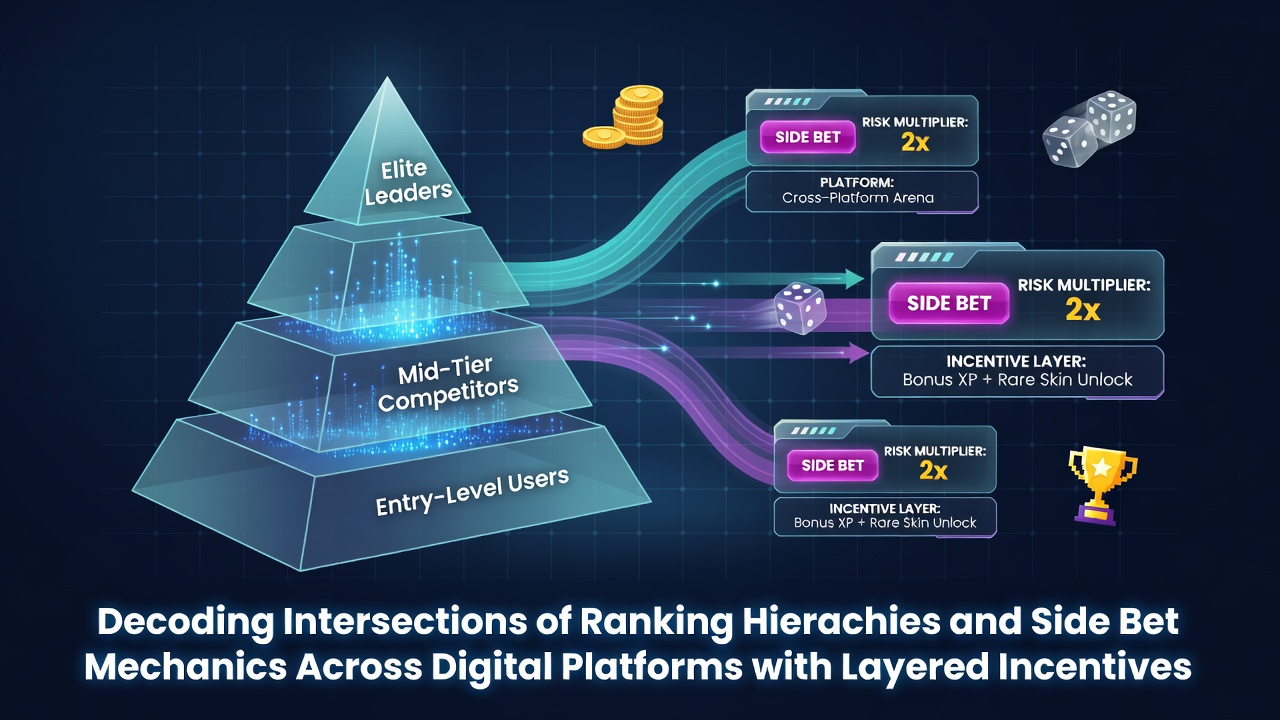
Intersections of Ranking Hierarchies and Side Bet Structures in Modern Digital Gaming Ecosystems
Digital platforms integrate ranking hierarchies from traditional card games with side bet options that layer incentives across multiple reward tiers, and observers note these systems create dynamic decision frameworks for participants. Researchers have documented how poker-style hand evaluations combine with blackjack variants to influence real-time choices, while layered bonuses adjust payout structures based on player activity levels and session duration.
Core Mechanics of Ranking Hierarchies in Digital Environments
Ranking systems establish clear priority orders for hand combinations, and data from platform analytics shows these hierarchies guide initial betting decisions before side bet opportunities arise. Studies indicate that participants who internalize these orders adapt faster to changing incentive layers, since evaluation speed determines eligibility for progressive rewards that accumulate across consecutive plays. Platforms update ranking interfaces in response to usage patterns, which in turn affects how side bets integrate with base game outcomes.
Side Bet Integration and Layered Incentive Models
Side bet mechanics attach additional wager types to core games, and evidence from industry reports reveals these features often tie into multi-level incentive programs that escalate rewards when specific ranking thresholds are met. One analysis found that platforms offering bonus multipliers for consecutive side bet wins see higher engagement rates during peak hours, while the underlying hierarchies remain consistent across sessions. Regulatory filings from the New Jersey Division of Gaming Enforcement highlight how these combined systems require transparent disclosure of odds to maintain compliance across state lines.
Turns out the timing of incentive unlocks plays a significant role, because players encounter new layers after reaching milestones tied directly to ranking accuracy and side bet frequency. Platforms track these interactions through embedded metrics that adjust promotional offers in real time, creating feedback loops between performance data and reward distribution.
Platform Variations Across Digital Channels
Mobile applications, browser-based sites, and virtual reality environments each present ranking hierarchies and side bets with distinct interface adjustments, yet core evaluation rules stay aligned. Data indicates that cross-platform users transfer knowledge of hand priorities more effectively when incentive structures follow similar layering patterns, and developers incorporate these observations into update cycles scheduled for August 2026. A report from the Australian Gambling Research Centre outlines how such synchronization reduces confusion for international participants who move between regions with differing bonus regulations.

What's interesting is that tournament modes add extra ranking overlays that interact with side bet availability, and figures from platform operators show elevated participation when these modes align bonus tiers with cumulative hand evaluations. Observers note the resulting complexity demands clearer visual cues to help users navigate the intersections without disrupting flow.
Regulatory and Technical Considerations
Government agencies in multiple jurisdictions require audits of combined ranking and side bet systems to verify fairness, and technical standards now include specific tests for incentive layer transparency. Research papers from academic institutions demonstrate that clear presentation of hierarchy rules alongside side bet probabilities correlates with sustained user trust across extended play periods. Platforms respond by refining algorithms that manage reward distribution while preserving the foundational mechanics that define hand priorities.
Conclusion
The intersections between ranking hierarchies and side bet mechanics continue to evolve as digital platforms introduce refined incentive layers, and ongoing documentation from regulatory bodies and research centers tracks these developments through 2026 and beyond. These systems operate through interconnected rules that reward precise evaluation while offering varied paths to additional returns, and the patterns observed across channels provide measurable insights into participant behavior under structured conditions.