How Free Poker Sessions Improve Blackjack Variant Decision Making Under Live Dealer Bonus Structures and Tournament Conditions
Written by Avery Russell · May 18, 2026
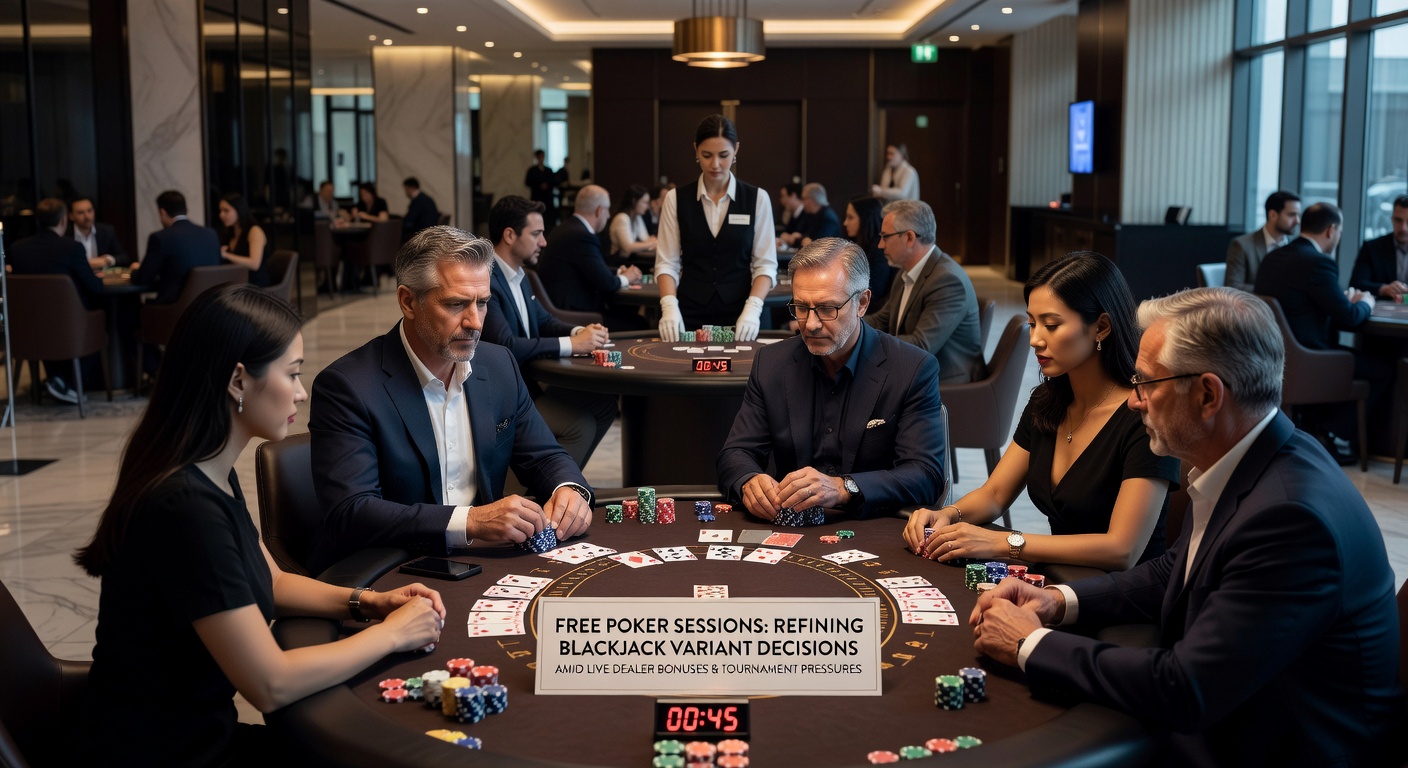
How Free Poker Sessions Improve Blackjack Variant Decision Making Under Live Dealer Bonus Structures and Tournament Conditions
Free poker sessions serve as accessible training grounds where participants develop probability assessment and risk evaluation abilities that carry over into blackjack variant play, particularly when live dealer bonuses introduce variable payout structures and when tournament pressures demand precise timing on splits, doubles, and insurance bets. Observers note that these no-cost environments allow repeated exposure to decision trees without financial risk, building muscle memory for common scenarios like soft hands or multi-card draws that appear across variants such as Spanish 21 and Pontoon.
Core Skill Transfers from Poker Practice to Blackjack Tables
Research from academic studies on cognitive patterns in card games indicates that poker players who log hours in free formats refine their ability to calculate expected values quickly, a process that translates directly when facing live dealer tables where bonus rounds alter standard blackjack odds. Data shows participants often practice pot odds calculations in poker that mirror the house edge adjustments required during promotional multipliers on blackjack payouts, helping them avoid common errors in variant-specific rules like redoubling options or dealer peek mechanics. Those who've studied cross-game transfers report that bankroll discipline honed in free poker carries forward, enabling players to allocate chips more effectively amid fluctuating tournament blinds or bonus-triggered bet escalations.
Navigating Live Dealer Bonuses with Refined Tactics
Live dealer platforms frequently layer bonus incentives onto blackjack variants, creating situations where standard strategy charts require real-time adjustments, and free poker sessions prepare players by simulating similar dynamic reward systems through side pot mechanics and progressive jackpots. Experts have observed that individuals who drill folding decisions in poker become better at recognizing when a bonus round's extra payout justifies deviating from basic strategy, such as pursuing a double down on a marginal hand because the promotional multiplier offsets the increased risk. Figures from industry reports reveal that players integrating these practice methods encounter fewer instances of suboptimal play during bonus activation windows, since repeated exposure in poker builds pattern recognition for timing and position that applies equally when a live dealer reveals cards under time constraints.
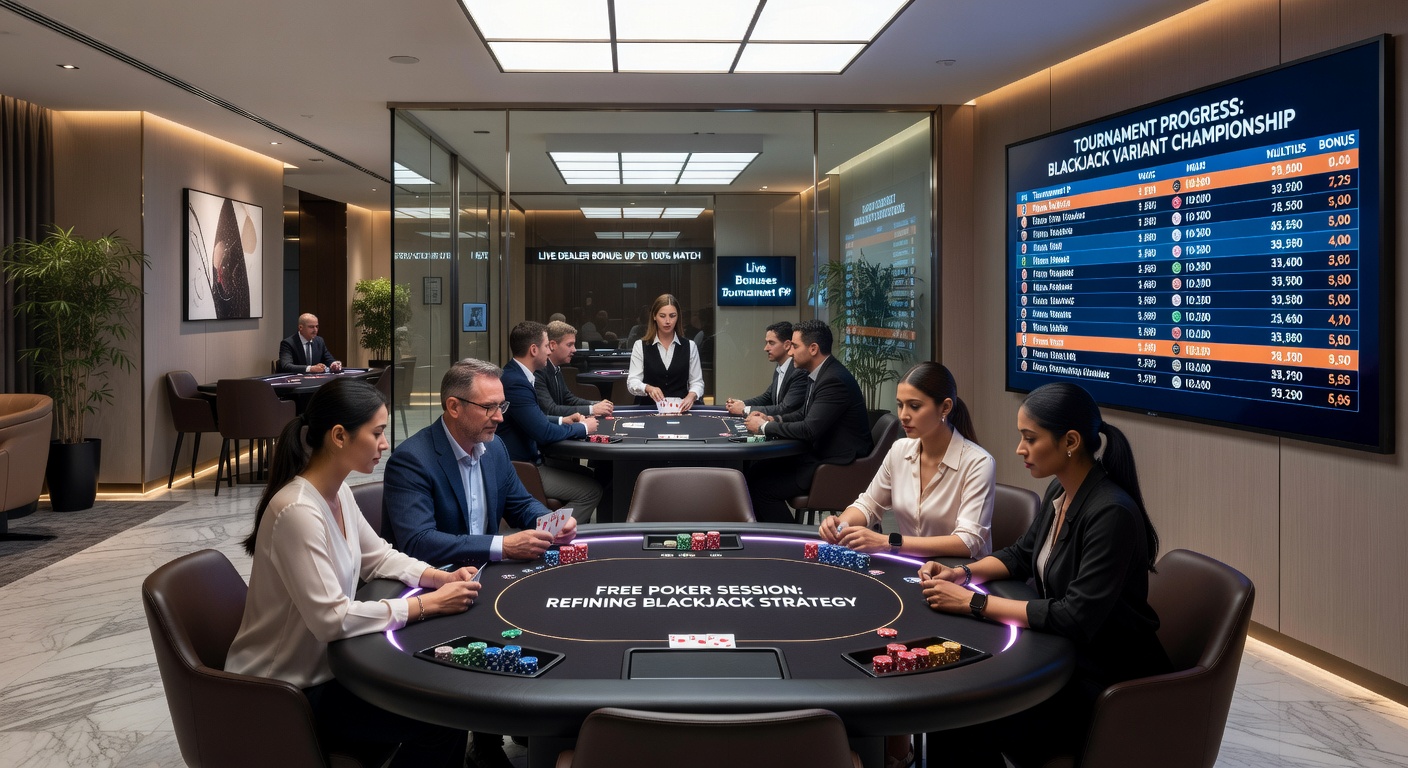
Managing Tournament Pressures Through Accumulated Experience
Tournament structures introduce escalating pressures that differ markedly from cash game formats, with blind increases and elimination risks mirroring the all-in moments common in poker, and free sessions provide low-stakes rehearsal for maintaining composure during critical blackjack hands. According to findings published in the Journal of Gambling Studies, repeated practice in free poker correlates with improved performance under time limits, allowing players to execute variant decisions like surrender options or multi-hand splitting without hesitation when leaderboard positions tighten. One documented case involved a cohort of online participants who transitioned from poker drills to blackjack tournaments, where they demonstrated higher survival rates into later rounds because they had internalized risk-reward frameworks that account for both bonus accumulations and opponent elimination dynamics.
Regulatory data compiled by the Nevada Gaming Control Board highlights steady growth in hybrid tournament formats that blend elements of poker and blackjack, underscoring the value of cross-training approaches as these events expand into 2026 schedules. Players preparing for May 2026 rollouts often incorporate free poker into routines to rehearse the mental arithmetic needed when bonus multipliers interact with variant rules under tournament clocks. The reality is that such preparation reduces decision latency, since poker-derived habits emphasize evaluating multiple outcomes simultaneously rather than relying on static charts alone.
Practical Integration Methods Observed Across Platforms
Communities centered on digital casino variants frequently share structured routines that combine free poker rounds with targeted blackjack variant drills, focusing on scenarios where live dealer interactions and bonus triggers converge. Those who adopt these methods discover that starting each session with poker probability exercises sharpens focus for subsequent blackjack play, particularly when tournament rules impose restrictions on bet sizing or force early commitments during bonus phases. Evidence from Canadian provincial gaming analyses suggests measurable improvements in player retention metrics when such integrated practice becomes standard, as participants report greater consistency in handling edge cases like pair splits against dealer upcards modified by promotional overlays.
Conclusion
Skill development through free poker sessions equips participants with adaptable frameworks that enhance decision quality across blackjack variants, especially when live dealer bonuses reshape payout landscapes and tournament conditions intensify every choice. Continued observation of player cohorts entering 2026 events will clarify the long-term impact of these cross-game approaches on overall performance metrics and engagement patterns.