From Poker Tables to Blackjack Bonuses: How Hand Ranking Systems Guide Player Choices Across Virtual and Dealer-Operated Platforms
Written by David Hansen · Jun 15, 2026
From Poker Tables to Blackjack Bonuses: How Hand Ranking Systems Guide Player Choices Across Virtual and Dealer-Operated Platforms
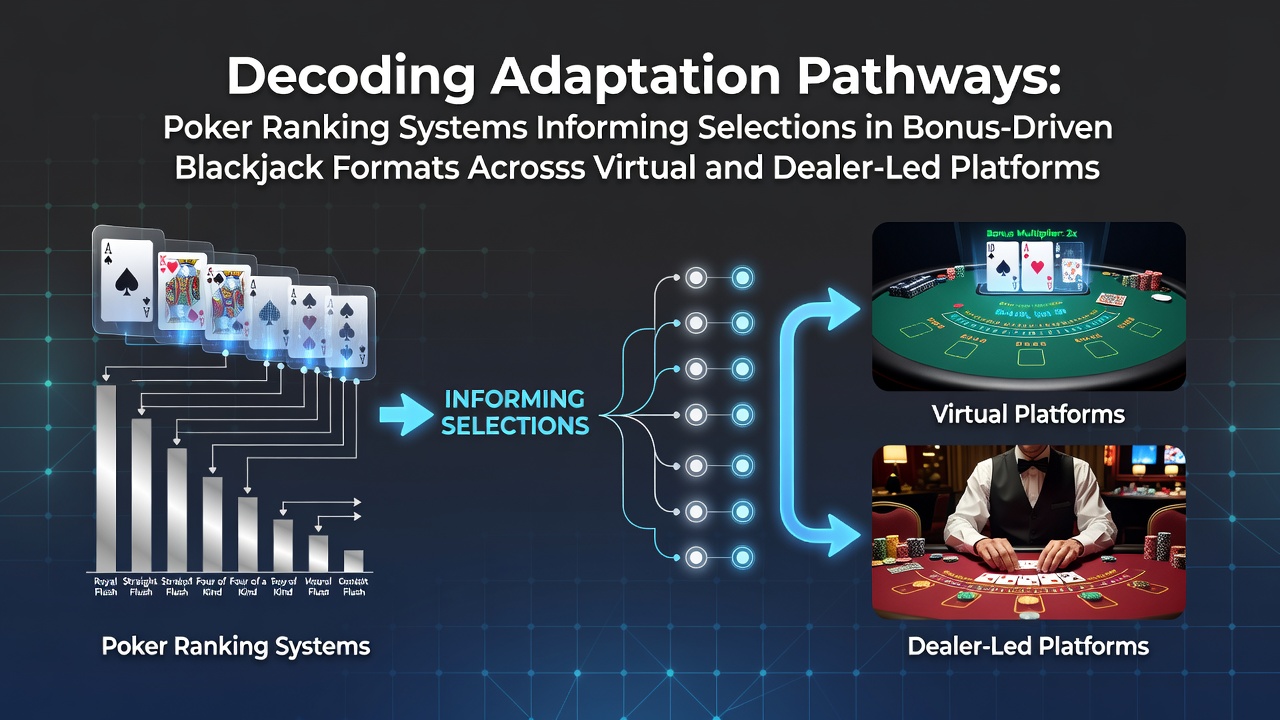
Players navigating bonus-driven blackjack variants often draw on poker hand evaluation frameworks to prioritize wagers and table selections, particularly when incentives like matched deposits or cashback offers alter payout structures. Research from gaming analytics firms indicates that individuals familiar with poker hierarchies apply similar risk assessment patterns when choosing between variants such as Perfect Pairs or 21+3 side bets, where certain card combinations yield elevated returns.
Core Mechanisms of Skill Adaptation
Adaptation begins with recognizing that poker rankings emphasize sequential strength and suit combinations, elements that overlap with blackjack side bet mechanics in many formats. Studies conducted by independent research institutions show participants who regularly review poker probability tables demonstrate faster decision times when evaluating bonus multipliers in digital interfaces compared to those without such exposure. In dealer-led settings, observers note similar patterns emerge during live sessions where players reference mental hierarchies to decide whether to increase stakes on promotional hands.
Data collected across multiple platforms reveals that these transfers occur most readily when bonus structures reward specific pairings or suited cards, mirroring poker flush and straight calculations. Regulatory reports from the Nevada Gaming Control Board highlight how operators structure incentives to encourage cross-game engagement, with participation metrics rising in environments that integrate familiar evaluation tools.
Virtual Platform Dynamics
Online environments provide immediate access to practice modules and real-time statistics that reinforce poker-informed selections. Users frequently encounter interfaces displaying probability breakdowns alongside bonus terms, allowing direct application of ranking logic to decide between low-edge standard bets and higher-variance promotional options. Figures from European gaming associations indicate that sessions incorporating these visual aids see increased selection of variants where poker-derived thresholds align with payout thresholds.
Automated tracking systems on major sites log how players shift between tables based on bonus availability, with patterns suggesting reliance on pre-existing hand strength assessments rather than isolated blackjack strategy charts alone.
Dealer-Led Environment Considerations
Physical and live dealer tables introduce timing pressures absent in digital formats, yet players apply comparable ranking filters when scanning for bonus-eligible hands. Tournament structures often amplify this effect, as participants weigh cumulative incentives against immediate risk, drawing on poker experience to navigate multi-hand decisions. Reports compiled by Canadian provincial regulators document elevated engagement in hybrid formats where side bet bonuses mirror poker pot odds calculations.
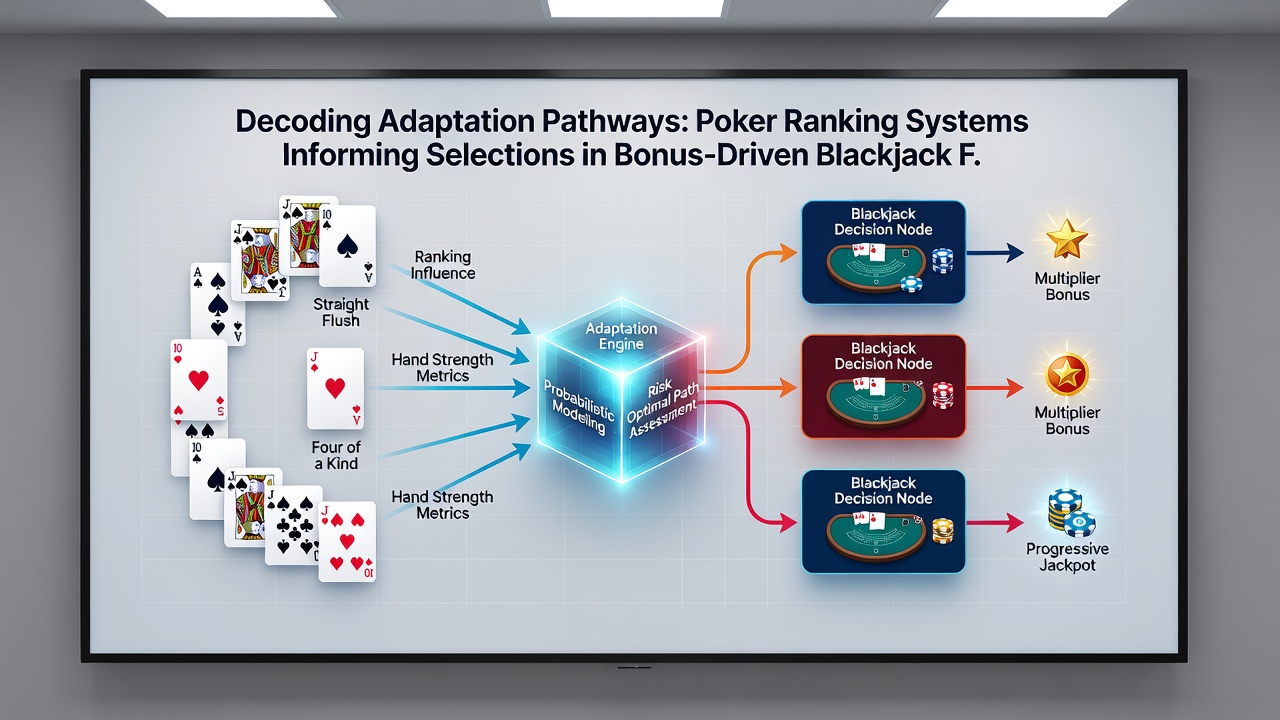
June 2026 marks the scheduled implementation of updated rotation protocols in certain jurisdictions, which may influence how frequently dealers interact with players employing these adapted approaches. Industry data suggests such changes could standardize exposure to bonus rounds, potentially increasing opportunities for cross-game strategy application.
Comparative Performance Across Formats
Comparative analyses between virtual and dealer-led platforms demonstrate measurable differences in how poker rankings translate to outcomes. Digital sessions allow repeated exposure to identical bonus configurations, strengthening pattern recognition, whereas live environments demand quicker integration of physical cues alongside ranking logic. Academic papers from Australian research centers examining player behavior across both modalities found consistent preference for variants where established hierarchies reduced uncertainty around promotional payouts.
Operators continue refining incentive structures based on observed selection trends, incorporating elements that reward players who demonstrate proficiency in transferring evaluation skills between games.
Conclusion
Evidence gathered from regulatory filings, academic examinations, and platform analytics consistently points to poker ranking systems serving as functional guides for selections within bonus-driven blackjack formats. These pathways function across both virtual and dealer-led platforms, with adaptation rates influenced by access to practice resources and structural similarities in payout mechanics. As regulatory timelines advance into 2026, ongoing documentation of these patterns will clarify further intersections between the two card disciplines.