Free Practice Tools and Strategy Development in Digital Card Gaming Platforms
Written by Avery Russell · Jun 8, 2026
Free Practice Tools and Strategy Development in Digital Card Gaming Platforms
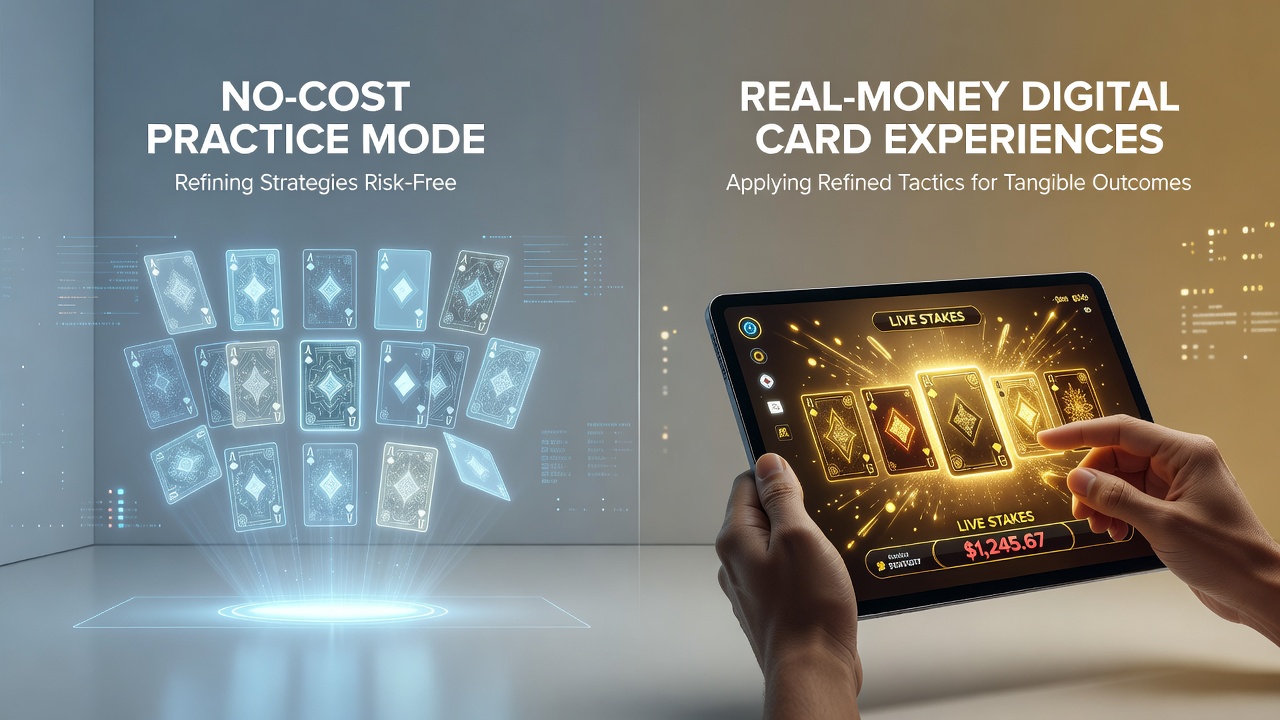
Digital card gaming platforms have incorporated no-cost practice modes as standard features, allowing users to engage with blackjack variants, poker formats, and hybrid games without financial commitment, and these tools have become central to how participants refine decision-making processes before transitioning to paid environments.
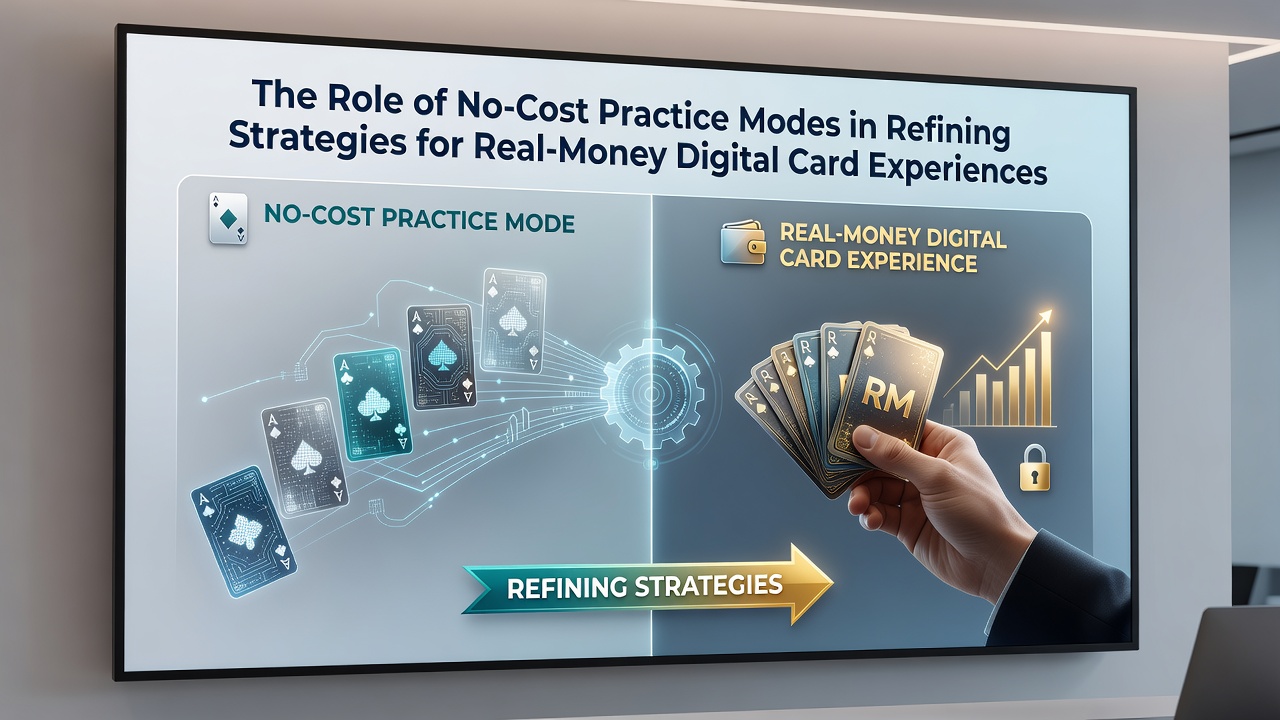
Research from academic institutions shows that repeated exposure to simulated scenarios helps players internalize probabilities, adjust to rule variations, and test response patterns under different conditions, while data from industry reports indicates higher retention rates among those who utilize practice sessions extensively prior to depositing funds.
Mechanics of Complimentary Modes and Their Integration
Platforms structure these modes with identical mechanics to their real-money counterparts, including card shuffling algorithms, payout structures, and bonus triggers, so users encounter the same variables they would face in paid sessions, and this consistency enables direct transfer of learned behaviors when stakes are introduced.
Many systems track user choices during free play, generating performance summaries that highlight areas such as bet sizing, hand selection, and timing of actions, and operators often link these analytics to optional tutorials that address specific gaps without requiring additional payment.
Evidence from Usage Patterns and Performance Data
Studies conducted by research centers in Australia and Canada reveal measurable improvements in win-rate simulations after extended practice periods, with participants demonstrating better adherence to optimal strategies in games like multi-hand blackjack and pot-limit variants, while figures from North American gaming associations point to reduced error rates in live dealer formats among those who logged significant hours in no-cost environments.
One analysis of platform logs found that users who completed at least 500 hands in practice mode showed a 23 percent increase in strategic consistency when moving to real-money tables, and similar patterns emerged in tournament-style events where free-entry qualifiers served as preparation steps.
Adaptation to Regulatory Shifts and Platform Updates
Regulatory developments scheduled for rollout in June 2026 across several jurisdictions will introduce new dealer rotation protocols and game classification rules, prompting operators to update both paid and practice modules simultaneously so that users can rehearse under the revised conditions well in advance of enforcement dates.
Those adjustments include modified side-bet structures and altered bonus qualification thresholds, and practice modes already reflect these forthcoming changes in select regions, allowing early familiarization without exposure to capital at risk during the transition window.
Skill Transfer Across Game Variants
Observers note that practice sessions frequently bridge skill sets between poker hand evaluation and blackjack risk assessment, as free environments let users experiment with bluffing mechanics in one format and then apply comparable probability calculations in another, and cross-variant data sets from European gaming institutes confirm that such transfers accelerate overall proficiency gains.
Platforms also embed scenario generators that replicate tournament pressure or live bonus rounds, giving users repeated opportunities to refine responses under time constraints or stacked incentives, and these features draw from aggregated user behavior metrics to prioritize the most common decision points encountered in actual play.
Conclusion
No-cost practice modes continue to function as foundational components within digital card ecosystems by providing risk-free spaces for strategy iteration, and ongoing platform refinements tied to regulatory timelines ensure these tools remain aligned with evolving real-money conditions across multiple markets.