Digital Platforms Reshape How Blackjack and Poker Intersect for Online Players
Written by Leon Patterson · Aug 24, 2026

Digital Platforms Reshape How Blackjack and Poker Intersect for Online Players
Online blackjack and poker continue to draw millions of participants each year, with platforms combining elements from both games in ways that encourage skill transfer and strategic adaptation across variants. Data from various regulatory bodies shows steady growth in participation, particularly in jurisdictions where licensing frameworks support real-money play and where operators offer integrated lobbies that feature both table games and card rooms.
Blackjack relies on probability calculations tied to deck composition, while poker emphasizes reading opponents and managing position. Yet researchers have documented cases where players who build experience in one format apply similar bankroll discipline and risk assessment when switching to the other. Observers note that digital interfaces make these transitions smoother because they provide real-time statistics, hand histories, and decision-tracking tools that were once limited to live settings.
Platform Features Driving Cross-Game Engagement
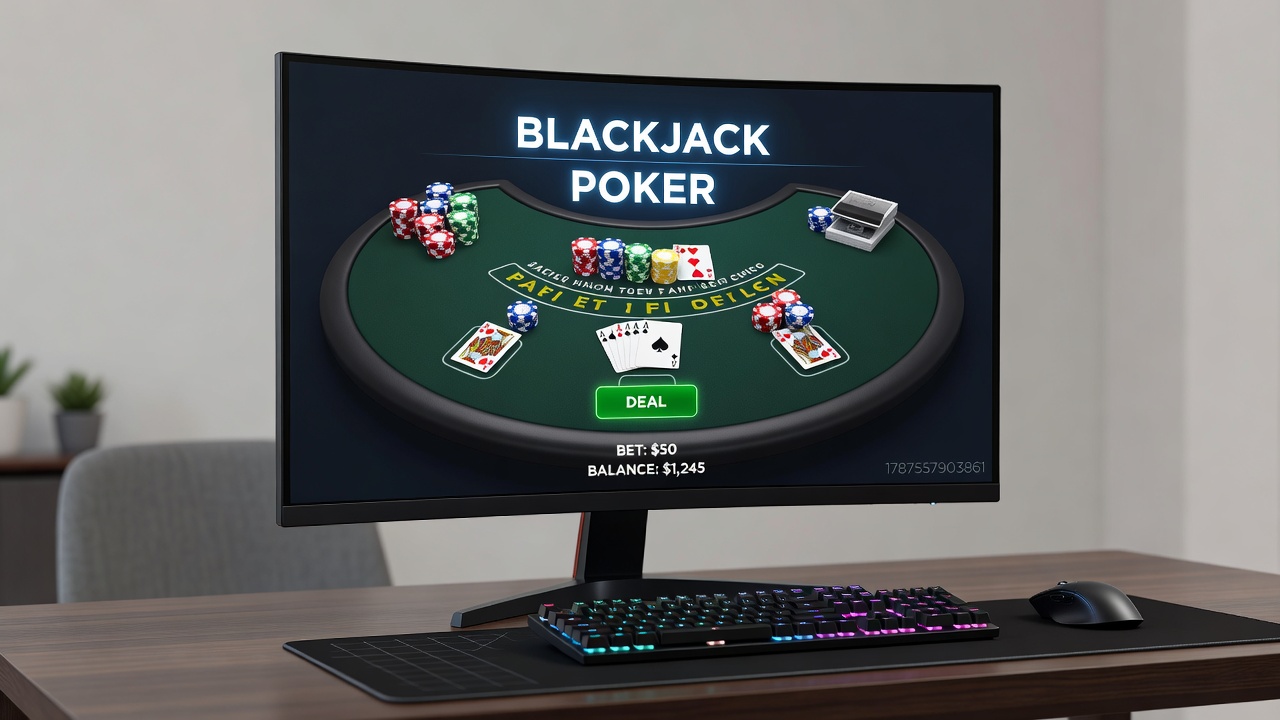
Modern sites present blackjack variants alongside poker tournaments within the same account dashboard, allowing seamless movement between formats without separate logins or deposits. Software providers integrate bonus structures that reward activity across both games, such as loyalty points earned from poker cash games that can be redeemed for blackjack side-bet credits. Studies from academic gaming research centers indicate these blended incentive systems increase session length and encourage experimentation with new variants.
Live dealer streams further blur distinctions, since viewers can watch poker tables and blackjack shoes operating simultaneously in the same studio. Participants often switch between watching a high-stakes poker hand and placing blackjack wagers during breaks, a pattern that analytics firms track through clickstream data. What's notable is how tournament pressure in poker can influence subsequent blackjack choices, with players who recently folded strong hands showing more conservative decisions at the blackjack table immediately afterward.
Regulatory Timelines and Operator Adjustments
Changes scheduled for rollout in August 2026 in several regions are prompting operators to review game libraries and dealer rotation policies. According to reports issued by the New Jersey Division of Gaming Enforcement, these adjustments focus on ensuring consistent standards for automated shuffling and bonus feature disclosure across both blackjack and poker offerings. Operators must update compliance documentation and player education materials ahead of the deadlines, which affects how new variants are introduced on licensed platforms.
Industry associations such as the European Gaming and Betting Association have published guidance documents that outline best practices for presenting rule changes to users. These materials emphasize clear language in game descriptions and prominent display of updated payout tables, particularly when side bets or progressive jackpots link the two games. Data indicates that transparent communication reduces player inquiries and supports higher retention rates during transition periods.
Practice Tools and Skill Development Patterns
Free play modes and demo tables allow individuals to test blackjack decision charts alongside poker hand-range calculators without financial exposure. Research from university-affiliated gaming labs shows that repeated use of these tools improves response times and reduces common errors such as miscalculating pot odds or deviating from basic strategy under time pressure. Participants who rotate between the two practice environments demonstrate measurable gains in multi-game decision accuracy compared with those who focus on a single format.
Hand history exports from poker sessions can be imported into third-party analysis software that also processes blackjack logs, revealing patterns in aggression levels or fold frequency that carry over. Those who've studied these datasets report that players with strong poker results often exhibit tighter blackjack play early in sessions, then loosen up as bankrolls stabilize. Such crossover behaviors appear consistently in aggregated platform data released by operators in regulated markets.
Future Developments in Blended Card Environments
Emerging technologies such as augmented reality overlays and AI-assisted coaching are being tested for both blackjack and poker on the same platforms. These tools highlight optimal ranges and expected values simultaneously, giving users immediate feedback across game types. Regulatory reviews planned before the 2026 deadlines will likely address how such assistance features must be disclosed to maintain fair play standards.
Operators continue to expand tournament formats that combine elements from both games, including leaderboards that score blackjack performance alongside poker results. Figures from licensed markets reveal rising participation in these hybrid events, with average entry counts increasing year over year. Observers point to improved mobile optimization and cross-device synchronization as key factors supporting this trend.
Conclusion
Online blackjack and poker remain distinct yet increasingly interconnected through shared platforms, regulatory frameworks, and player skill sets. As August 2026 approaches and new compliance requirements take effect, operators and regulators alike are refining how these games are presented and monitored. The result is an environment where data-driven tools and cross-format experiences continue to shape how participants engage with both games over time.