Adaptive Mechanics in Digital Card Environments: Linking Evaluation Hierarchies to Real-Time Interactions and Incentive Structures
Written by Leon Patterson · Jun 6, 2026
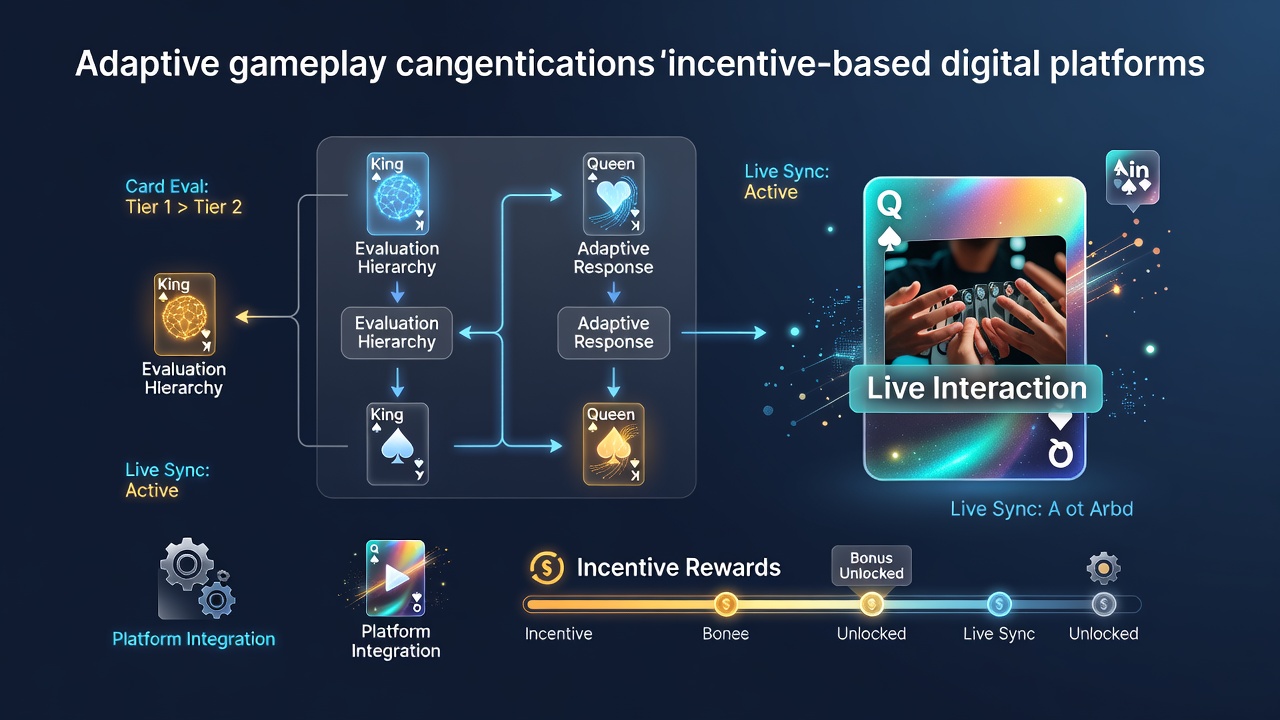
Adaptive Mechanics in Digital Card Environments: Linking Evaluation Hierarchies to Real-Time Interactions and Incentive Structures
Digital card platforms have developed systems that adjust gameplay based on player actions and preferences while connecting structured card hierarchies to live features. These mechanics operate across environments where rewards and bonuses shape participation patterns, and data from regulatory reports indicate steady growth in such integrated tools through 2025 and into mid-2026.
Core Components of Card Evaluation Hierarchies
Card evaluation hierarchies establish priority systems for hand rankings, decision trees, and probability assessments that players apply during rounds. Research from gaming analytics firms shows these frameworks update dynamically when platforms detect shifts in user behavior, such as changes in bet sizing or session length. Observers note that hierarchies often incorporate real-time adjustments tied to platform incentives like loyalty multipliers or bonus triggers, which alter how users weigh options without changing the underlying rules of the games themselves.
Studies conducted by academic groups at institutions in Canada and Australia reveal that players engage more consistently when evaluation tools highlight connections between standard rankings and available rewards. For instance, one analysis from the University of Sydney's gambling research unit found that interfaces displaying adjusted hierarchies during bonus periods increased session retention metrics by measurable percentages compared to static displays.
Live Interaction Features and Their Role
Live interaction features include chat functions, shared decision prompts, and synchronized visual updates that allow participants to respond to others in the same session. These elements link directly to evaluation hierarchies when platforms route information about card priorities through interactive displays. Data from European gaming associations indicate that such features appear more frequently on platforms offering tiered incentive programs, where users receive points or credits based on engagement levels.
Platforms integrate these interactions by feeding live data streams into evaluation models, enabling adjustments that reflect group dynamics or individual patterns. Figures released by iGaming Ontario show rising adoption rates for combined live and hierarchical systems ahead of scheduled platform updates planned for June 2026, which focus on enhanced real-time synchronization tools.
Connections Across Incentive-Based Digital Platforms
Incentive structures such as deposit matches, cashback tiers, and achievement badges create the framework where adaptive mechanics function. Platforms link card evaluation outputs to these incentives so that users see modified hierarchies during promotional windows, while live features deliver notifications or collaborative prompts tied to reward milestones. Industry reports from the American Gaming Association highlight how these connections appear in multiple jurisdictions, with platforms tracking participation through aggregated metrics rather than individual identifiers.
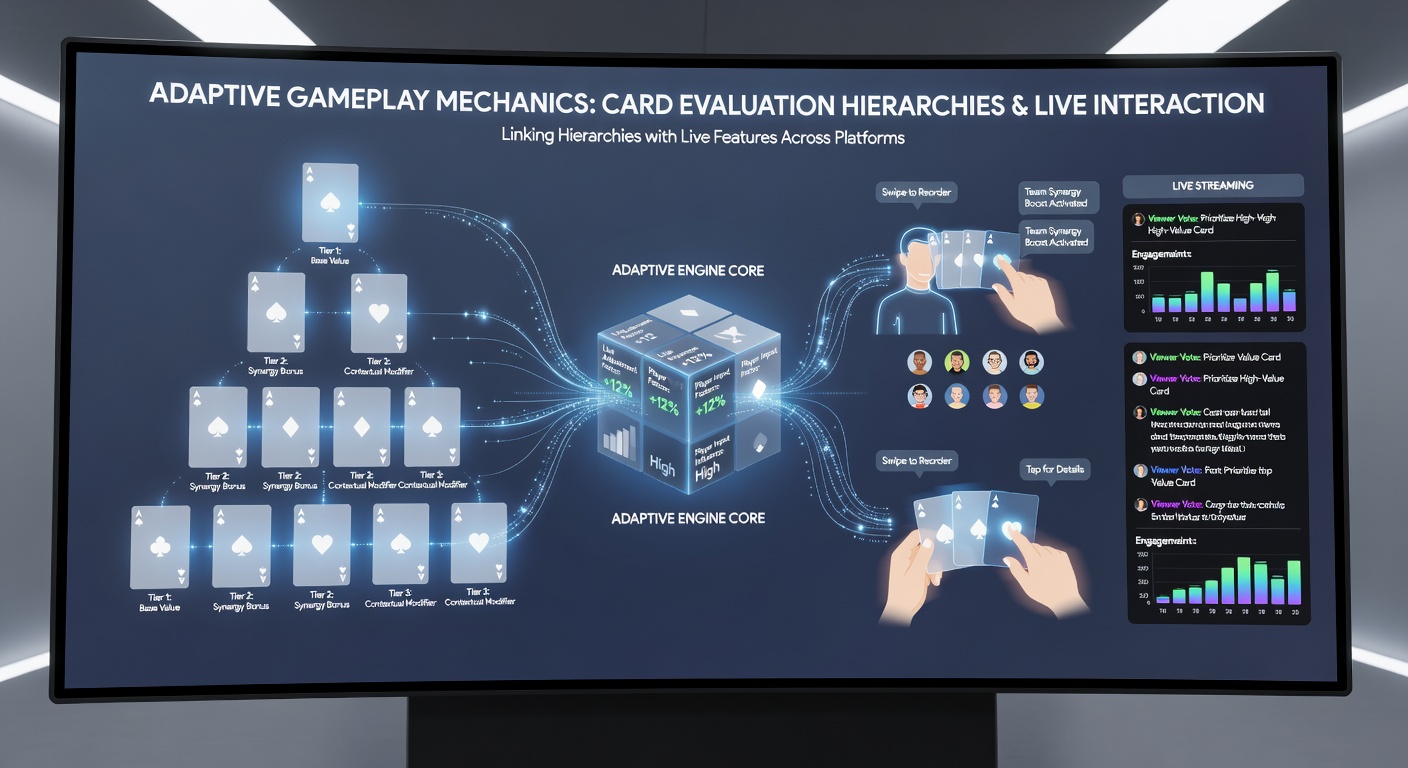
What's interesting is how platforms manage the flow: evaluation hierarchies process incoming live data to suggest actions that align with current incentives, and interaction tools then broadcast those suggestions or outcomes to connected users. One case documented by researchers at the University of Melbourne involved platforms that adjusted hierarchy displays during live tournaments to reflect bonus availability, resulting in documented shifts in average decision times across monitored sessions.
Implementation Patterns Observed in 2026
By June 2026 several platforms plan to expand adaptive layers that connect evaluation systems with live elements under incentive programs. Regulatory updates in multiple regions, including proposed standards from gaming bodies in Australia and parts of North America, emphasize transparency in how these mechanics calculate and display adjustments. Evidence from pilot programs indicates that users encounter fewer interruptions when hierarchies update seamlessly during live exchanges, and reward structures remain visible alongside interactive prompts.
Those who have examined platform logs note that integration often relies on modular software components, allowing hierarchies to pull from live feeds without requiring full session resets. This approach supports continued operation across incentive cycles, where bonuses activate at set thresholds and live features highlight relevant evaluation changes at the same moments.
Examples from Platform Operations
Take one platform that introduced a system linking poker-style hand rankings to live chat prompts during bonus rounds; participants received real-time hierarchy updates while chatting with others about shared incentive goals. Another instance involved blackjack variants where evaluation tools adjusted for side-bet incentives and broadcast those adjustments through synchronized live windows, according to internal metrics shared with industry groups.
These examples demonstrate consistent patterns: hierarchies provide the analytical base, live features deliver the interaction layer, and incentives supply the motivational context that keeps users engaged across sessions. Data collected across regions shows platforms maintaining these connections through standardized APIs that handle updates without disrupting ongoing play.
Conclusion
Adaptive gameplay mechanics continue to evolve by linking card evaluation hierarchies with live interaction capabilities on platforms structured around incentives. Information from regulatory and academic sources points to ongoing refinements scheduled through June 2026, with emphasis on seamless data flows between evaluation systems, real-time tools, and reward mechanisms. Observers tracking these developments report measurable impacts on session metrics and participation consistency across varied digital environments.